ADHD and rest: preparing an evening with fewer distractions
You meant to go to bed a while ago, but another video, message or unfinished task came up. Where can you start without turning rest into another demand?
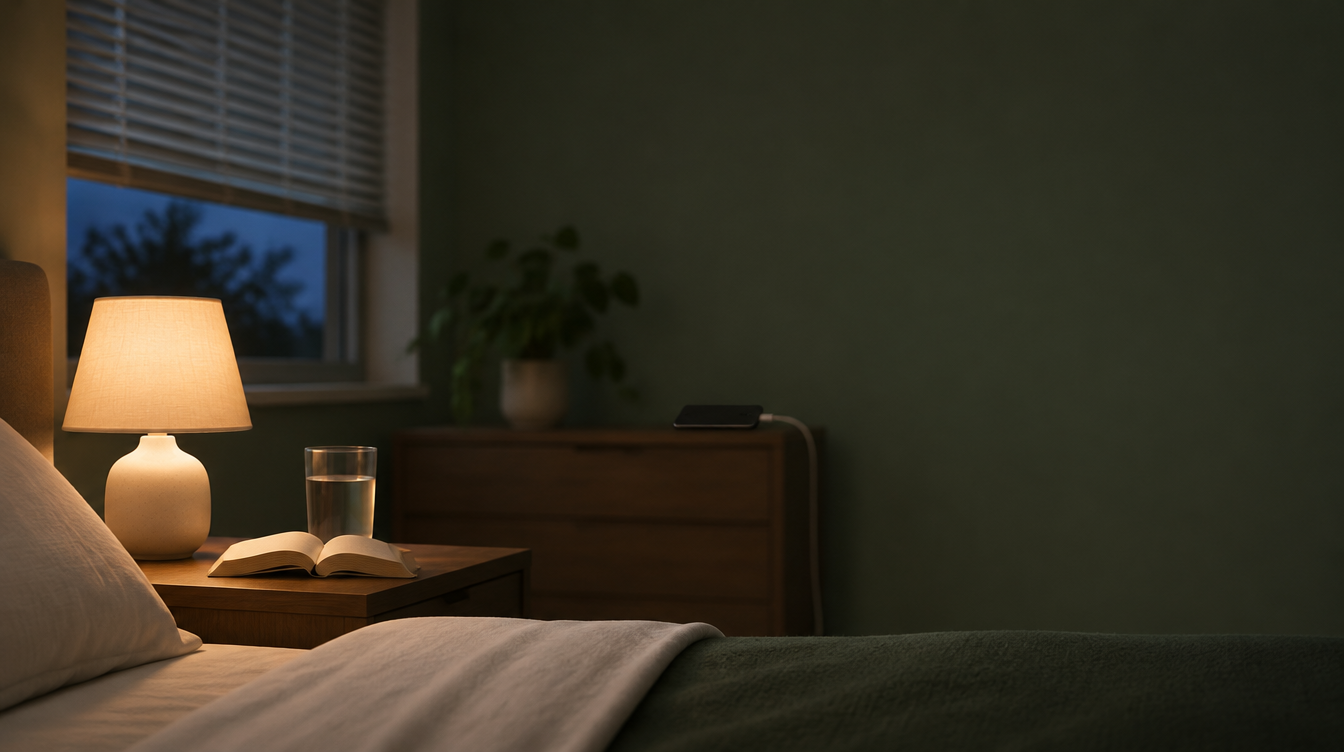
The opening scene is an everyday illustration, not something everyone with ADHD experiences. In its information for adults with ADHD, the NHS says that a regular bedtime and a quiet, dark bedroom can help with sleep.
The following ideas combine that guidance with general recommendations about insomnia. They are neither ADHD-specific treatment nor an explanation of why you struggle to sleep.
1. Leave room to wind down
On its insomnia page, the NHS recommends relaxing for at least an hour before bed, for example by reading or taking a bath. It also advises avoiding phones and television right before bed.
Our editorial suggestion is to choose a quiet activity beforehand so you need not decide when already tired. You do not need an elaborate sequence of habits.
For example, leave a book within reach and charge your phone away from bed if that fits your needs. This is one possible way to prepare your surroundings, not a method tested by these sources.
2. Look for hours you can sustain
General NHS guidance includes getting up at the same time every day and going to bed when sleepy. Its ADHD page also recommends a regular bedtime.
Regularity is a reference point, not an invitation to sleep less to comply with an alarm. If you work shifts, care for someone or have very variable hours, discuss adapting these recommendations with a healthcare professional.
Our suggestion: before changing everything, identify what tends to extend your evening. It may be unfinished work, your phone or a schedule that does not fit your day. Observing this does not diagnose a sleep disorder.
3. Adjust light and noise
The NHS advises keeping the bedroom dark and quiet. Options it mentions include curtains, blinds, an eye mask or earplugs if needed.
Notice what bothers you and choose an adjustment. Buying something is not required: lowering a blind or switching off a screen are our editorial examples. The aim is to prepare suitable surroundings for rest, not perfect conditions.
When to seek help
The NHS recommends consulting a doctor if changing habits has not helped, sleep problems have lasted months, or they affect daily life in a way that makes coping difficult. You do not have to wait months if they are already affecting you.
A professional can investigate the cause and consider treatment options. The cited information describes UK services; access and routes to support may differ where you live.
What we know and do not know
These sources offer guidance on sleep care. They do not establish that this combination of three steps works for every adult with ADHD or that better sleep alone treats ADHD. Practical examples are editorial suggestions, and a bedtime routine does not replace assessment of persistent problems.
Sources and further reading
- NHS · ADHD in adults. Lifestyle and sleep guidance. Page reviewed 19 March 2025.
- NHS · Insomnia. Sleep habits and when to seek help. Page reviewed 19 March 2024.